


WordPress has now become almost synonymous with the word blogging. The name WordPress refers to two different platforms. There is wordpress.com and wordpress.org. The wordpress.org is the more recommended if you are serious about running a blog or even a business website. However, if you are just starting out online and don’t have enough money to get a professional website for yourself then you can start with wordpress.com.
I bet to say that most of your favourite websites that you have been visiting or have ever visited are likely to have been built with WordPress. So let us quickly learn how to check if a website was built using WordPress or not.
I will be using my own website as an example: https://ehoneahobed.com
Method 1: Is this website built with WordPress?
- You need to know the website’s URL (https://ehoneahobed.com)
- Make sure you are using the base website URL and not a specific page of that website.


- Add this (“/wp-admin/”) without the brackets or quotation marks

Note: The two forward slashes are equally important so don’t leave them out.
If the website was not built with wordpress, it will throw a 404 error meaning that the particular page doesn’t exist.

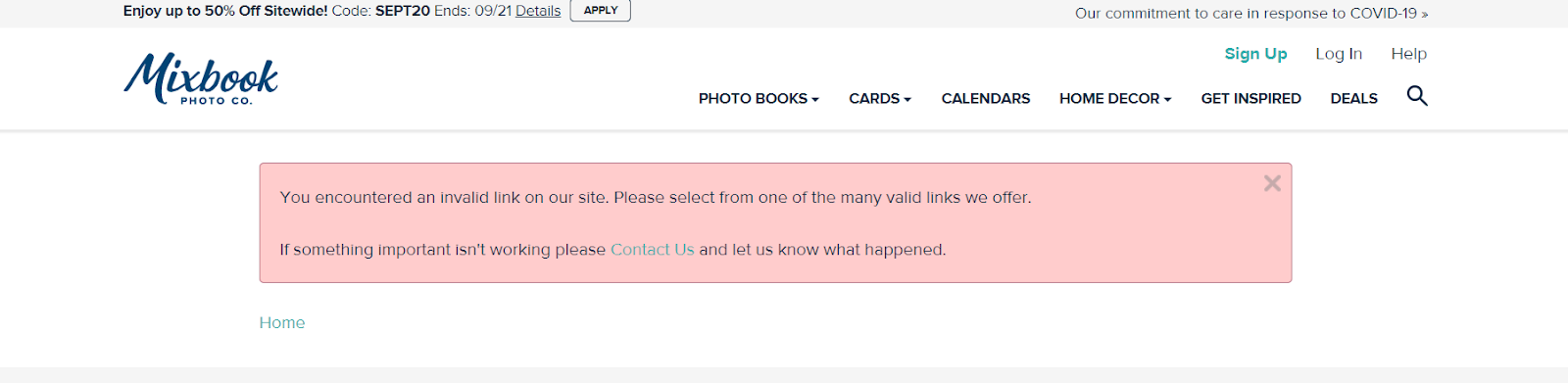
However, if it was built using wordpress, then you will get a login page
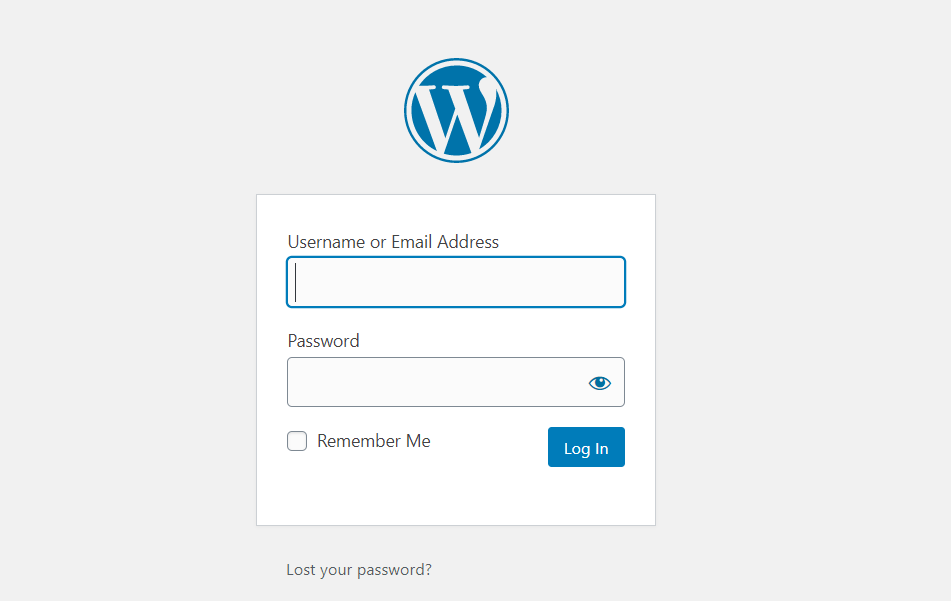
This is the default interface for WordPress log in but some people are able to customize their interface with the help of certain plugins. As such if you try the above and get an interface different from the above but not a 404 error then it’s likely that they have customized their WordPress interface.
Method 2: Is this website built with WordPress?
Another way to do this is to use a chrome extension. However, before you can use this it means you should have the chrome browser installed on your computer.
And doing this on a phone will also prove a bit challenging because you will need to install another mobile app which will then help you install the chrome extension.
Hence, this method is preferred for people using computers with the chrome browser installed on it.
The name of the chrome extension is Wappalyzer. To get this you can click on the link or google “Wappalyzer chrome extension” or preferably open the chrome web store and search for “Wappalyzer”.

Once this extension is installed, visit any website that you want to test and then click on the icon for the Wappalyzer extension. This is usually found in the top right corner.
With the icon activated (by just a click on it), click on the website that you are trying to analyze and it all pulls up all the resources that were used in building that website.
Wappalyzer is not only for finding out whether a website is built with WordPress only. It will be able to tell you about any technologies used in a particular website. So anytime you visit a very nice website or a website that has something that catches your eye, you can use Wappalyzer to identify which technologies were used to build it.
I recently discovered a very nice platform (digital products marketplace) called podia and wanted to know which technologies were used in building it. Here is what I found.

Why Do You Want to Know Whether The Website Was Built With WordPress
Sometimes you want to know if a website was built with WordPress because it may have some features that you may want to make use of on your own. Like you wanting to know which particular theme was used for the website. You may also want to know which widgets or plugin is being used for a particular function.
So let me quickly show you how you may find out which WordPress themes, plugins or widgets used in a website. This is assuming that you have already confirmed that the website was built using WordPress.
There are a lot of websites that you can use for this but the one common one that I personally use is WPthemedetector. Another one that you can use is Scanwp
